Understanding the Light Windows
Orgosolo's high-altitude position at 620 meters and its steep mountain terrain create unique light conditions. The town's narrow streets and tall stone facades cast deep shadows during the day, making photography challenging.
The midday window between 11:00 AM and 3:30 PM is not recommended for mural photography. The high overhead sun creates intense contrast, leaving parts of the murals overexposed while others are cast in deep shadow. This dynamic range makes it difficult for camera sensors to capture the correct color tones of the painted plaster.
To capture the murals, plan your shoots during two primary windows:
- The Morning Window (8:00 AM to 10:00 AM): During these hours, the sun sits low in the sky, providing soft light that illuminates the east-facing facades along Corso Repubblica. The streets are quiet, allowing photographers to work without pedestrian crowds or vehicle traffic blocks.
- The Afternoon Window (after 4:30 PM): The late afternoon sun provides warm, soft light that highlights the textures of the stone walls. As the sun dips behind the Supramonte peaks, the light levels drop, making it easier to capture the details of the plaster paintings.
Camera Equipment and Lens Choices
The narrowness of Orgosolo's historic streets shapes the kind of lenses you should carry. Space is limited, and standing back to frame a mural is often impossible.
A wide-angle lens is essential for this location. Lenses with focal lengths between 16mm and 24mm (on full-frame sensors) are ideal. They allow you to frame entire multi-story murals from across a narrow street. However, wide-angle lenses can create barrel distortion, bending the straight lines of building walls. To address this issue, keep your camera level and perpendicular to the wall, or correct the vertical perspective during post-processing.
A standard zoom lens (24-70mm) provides flexibility when moving between wide street scenes and detail shots of paint strokes or handwritten text. Additionally, a circular polarizing filter is highly useful. It reduces glare from reflective surfaces and saturated colors, ensuring the painted plaster tones appear natural in your photos.
Top Facades and Angles
The majority of the historical murals are located along the main street, Corso Repubblica. However, the most interesting compositions are often found in the narrow side alleys branching off the main road.
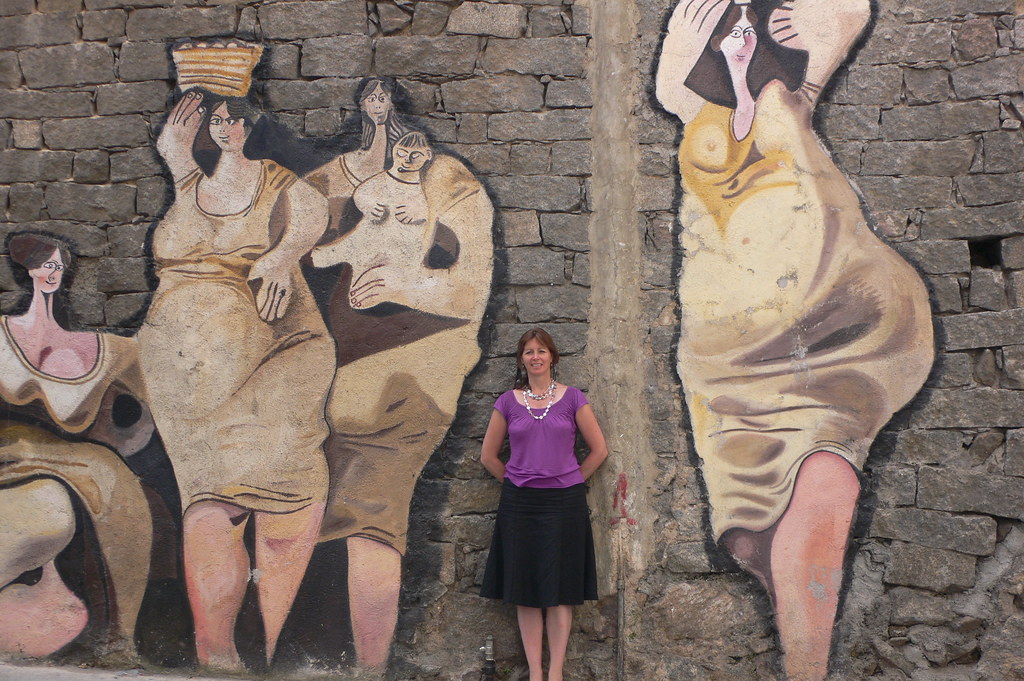
When shooting along Corso Repubblica, try to capture the relationship between the murals and the daily life of the town. Frame the paintings alongside local residents walking, passing vehicles, or traditional shop entrances. This context adds narrative to your photographs, showing how the public art functions as an active part of the community rather than just a museum display.
In the side alleys, look for framing opportunities using architectural details like doors, stone arches, and window shutters. The contrast between raw, weathered granite masonry and colorful painted plaster creates a strong visual juxtaposition that highlights the unique character of the town.
Ethical Photography Guidelines
Orgosolo is a working town, not a tourist theme park. The murals are painted on the exterior walls of private homes where families live. Photographers must respect the privacy and daily life of the residents.
Never photograph the interiors of houses through open doors or windows. If a resident is sitting outside their home, always ask for permission before taking a photo. Many elderly locals wear traditional clothing daily. While this is culturally interesting, photographing them without consent is impolite. A polite greeting in Italian (Buongiorno) or Sardinian (Bonas dies) is a simple way to establish contact and show respect before raising your camera.