Exploring the Barbagia Hinterland
The central highlands of Sardinia contain numerous archaeological sites, traditional villages, and natural parks. Because of the rugged mountain geography, travel times can be longer than straight-line distances suggest. Below is a detailed catalog of the five primary attractions located near Orgosolo.

1. Museo delle Maschere Mediterranee (Mamoiada)
Located in the adjacent winemaking village of Mamoiada, the Mediterranean Mask Museum provides visitors with an educational look into traditional Sardinian carnival culture. The museum displays the dark, wooden masks of the Mamuthones and Issohadores, who participate in pagan agricultural winter rites during the feast of Sant'Antonio Abbot in January.
How to get there: Driving via the SP22 highway takes 15 minutes. There is no direct bus route. Public transit travelers must take the ARST Linea 509 bus from Orgosolo back to Nuoro Stazione ARST, and then transfer to ARST Linea 302 bound for Mamoiada, getting off at Via Vittorio Emanuele II 85. This indirect bus journey takes 1 hour and 54 minutes.
Admission Cost: €9.00 (~$9.81) for adults; €7.00 (~$7.63) reduced rate for youth and seniors.
2. Sas Baddes Old-Growth Forest (Montes)
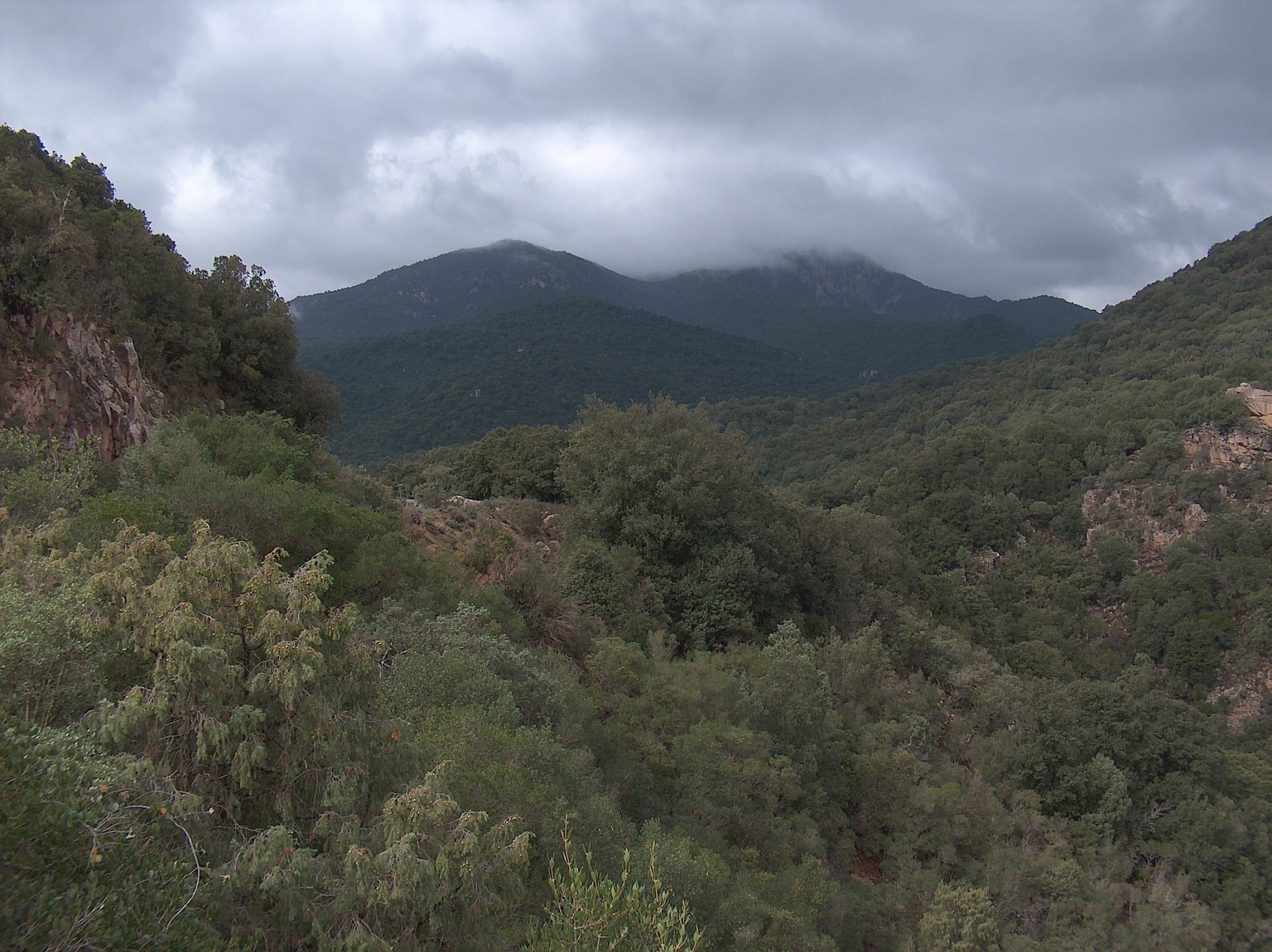
The forest of Sas Baddes is located inside the Montes state park, southwest of Orgosolo. It is one of the last remaining primary holm-oak forests in the entire Mediterranean basin. The trees have remained undisturbed by industrial logging, with some specimens reaching heights of 25 meters. The forest provides a cool, shaded setting for walking away from the dry summer heat.
How to get there: Travel southwest from Orgosolo along the paved forest road toward the Montes Forestry Station. A personal rental car or a private 4x4 guide is required, as no public buses operate inside the state forest territory. Entry to the forest trails is free of charge.
3. Nuraghe Mereu (Supramonte)
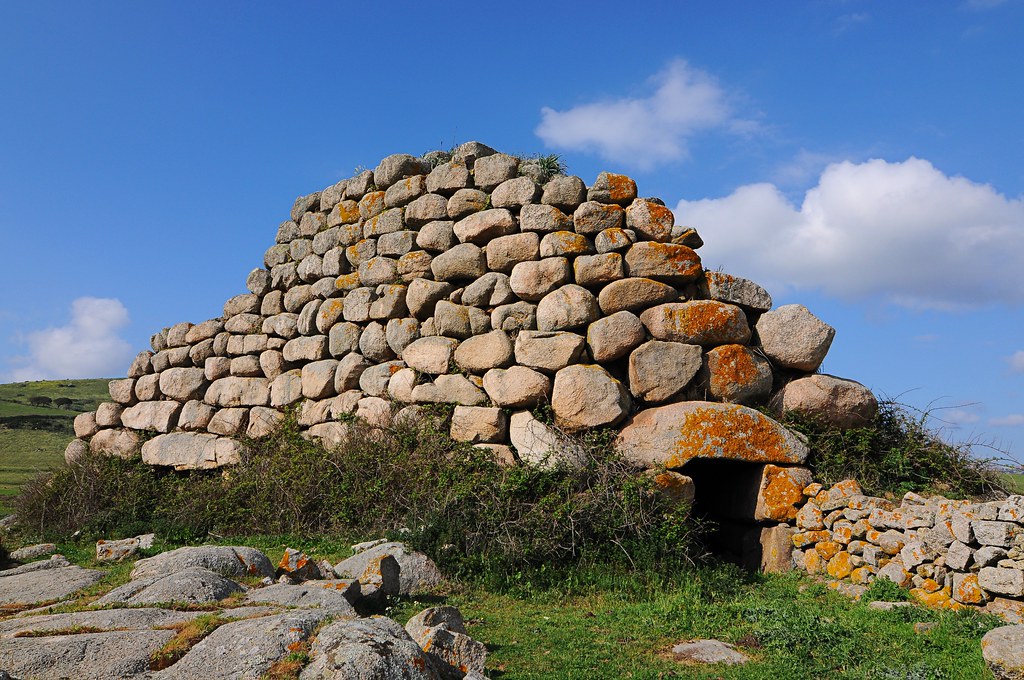
Nuraghe Mereu is a prehistoric limestone fortress built deep within the rugged Supramonte highlands. Constructed during the Nuragic Bronze Age, the fortress is made of white limestone blocks, which makes it stand out against the green landscape. It features a fully intact stone dome (thòlos) and sits on a cliff overlooking the Gorropu Canyon.
How to get there: The route requires a high-clearance 4x4 vehicle to navigate the rough limestone tracks, followed by a walk. Most travelers visit this prehistoric monument as part of a guided off-road day tour. Walking there independently from Orgosolo involves a highly challenging 4-hour trek across wilderness trails.
4. Gorropu Canyon (Gola di Gorropu)
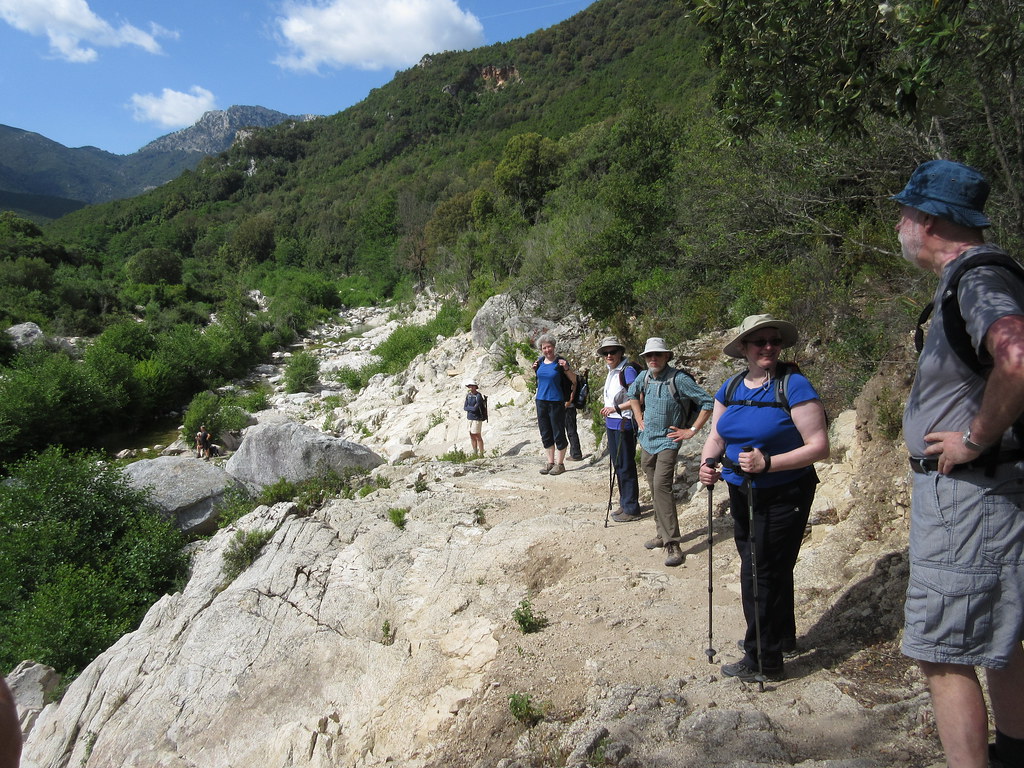
Gola di Gorropu is often referred to as the deepest canyon in Europe. Its vertical limestone walls rise to heights of over 500 meters, creating a dramatic natural gorge. The canyon floor is filled with massive, water-smoothed white boulders. A walking path allows hikers to explore the entrance of the gorge.
How to get there: Drive east from Orgosolo along the SP22 highway toward Dorgali, then turn toward the Campo Base Gorropu or the Sa Barva bridge parking lot. From Sa Barva, the walk to the canyon entrance takes approximately 1.5 to 2 hours along the Flumineddu river trail. Entry to the canyon park costs €5.00 (~$5.45) per person.

5. Nuoro Town and Cultural Museums
Nuoro is the administrative capital of the province and serves as the gateway to the Barbagia region. The town is situated on a granite ridge under Mount Ortobene. It features several museums, including the Ethnographic Museum (Museo del Costume), which houses Sardinia's most extensive collection of traditional garments, and the Grazia Deledda House Museum, dedicated to the Nobel laureate writer.
How to get there: Take the ARST Linea 509 bus directly from Orgosolo Corso Repubblica 151 to the Nuoro Stazione ARST. The bus runs roughly every 3 to 4 hours on weekdays. Tickets cost between €1.00 (~$1.09) and €3.00 (~$3.27) one-way.